Our certified technicians will come to you, supported by a 12-month, 12,000-mile warranty. Receive fair and transparent estimates upfront.
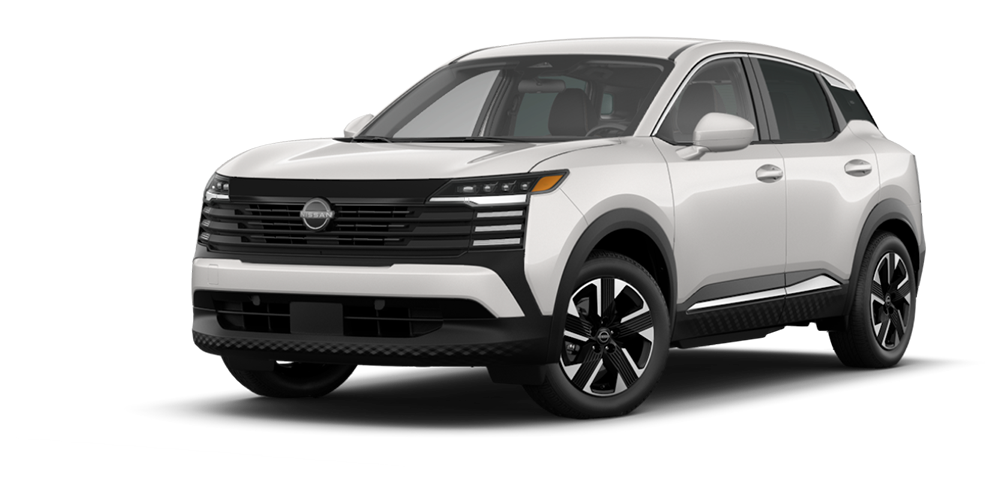
Nissan CVT Transmission Problems: What Drivers Need to Know
Nissan has long been recognized for producing affordable and efficient vehicles, but its Continuously Variable Transmission (CVT) system has come under increasing scrutiny in recent years. From performance issues to complete transmission failure, many Nissan drivers across the United States have raised concerns about CVT reliability—particularly in models like the Nissan Altima, Rogue, Sentra, and Versa.
What Is a CVT Transmission?
A CVT (Continuously Variable Transmission) is a type of automatic transmission that uses a belt and pulley system to provide seamless gear shifting. While CVTs can offer improved fuel economy and smoother acceleration, they have proven problematic in some Nissan vehicles due to design and durability concerns.
Common Nissan CVT Transmission Problems
1. Jerking and Hesitation
Many drivers report jerking or hesitation when accelerating or decelerating. This usually happens during stop-and-go traffic or while merging onto highways, causing safety concerns and discomfort.
2. Overheating
Some Nissan CVTs tend to overheat under prolonged driving, especially in warm climates or during uphill driving. Overheating can trigger a warning light and reduce engine power temporarily (known as "limp mode").
3. Slipping and Shuddering
Transmission slipping is when the engine revs but the vehicle doesn't accelerate properly. This can be accompanied by a shuddering or vibrating sensation, particularly at lower speeds.
4. Delayed or Unresponsive Shifting
Drivers often notice delayed engagement when shifting from "Park" to "Drive" or between gears. In extreme cases, the car may fail to move altogether.
Affected Nissan Models
The following models have been reported to experience recurring CVT issues:
Has Nissan Addressed the Problem?
Yes, to an extent. Nissan has faced multiple class action lawsuits related to its CVT transmissions and has issued extended warranties for certain models—extending coverage up to 10 years or 120,000 miles. However, not all affected vehicles are covered, and recall actions have been limited.
What Can Drivers Do?
1. Check Warranty Coverage
Visit the official Nissan website or contact a dealer to see if your vehicle qualifies for an extended CVT warranty.
2. Get a Diagnostic Test
If you're experiencing symptoms, have your car scanned by a certified technician as soon as possible to prevent further damage.
3. Document All Issues
Keep records of repairs, dealer visits, and communications. This may help if you need to file a warranty claim or join a legal action.
4. Consider a Trade-In
If you're out of warranty and facing expensive repairs, it may be more cost-effective to trade in the vehicle.
While Nissan vehicles offer strong value, the CVT transmission problems have impacted customer trust and long-term satisfaction. If you own or plan to buy a Nissan with a CVT, it's important to understand the potential risks, check your warranty status, and act quickly if symptoms appear. Staying informed is the best way to avoid costly repairs and stay safe on the road.
Backed by 12-month, 12,000-mile guarantee
 Login
Login  Signup